
Discover
the Best Ayurvedic Panchakarma Centers Near You: A Comprehensive Guide to
Wellness
In a world filled with modern remedies and fast-paced lifestyles,
the ancient wisdom of Ayurveda offers a sanctuary for those seeking balance and
rejuvenation. Panchakarma, a cornerstone of Ayurvedic healing, serves as a
powerful detoxification and rejuvenation therapy, restoring harmony within both
body and mind. If you’re curious about harnessing this time-honored practice,
you’re not alone. Many are discovering the transformative benefits of
Panchakarma and its ability to enhance overall wellness. This comprehensive
guide will lead you to the best Ayurvedic Panchakarma centers near you, where
skilled practitioners will tailor treatments to your unique needs. Whether
you’re new to Ayurveda or looking to deepen your practice, find a center that
resonates with you and embark on a journey toward holistic health. Get ready to
unveil a revitalized sense of self and embrace the healing power that awaits!
What
is Panchakarma and Its Importance in Ayurveda?
Panchakarma is a profound Ayurvedic purification and detoxification
therapy that has been practiced for centuries. It is designed to cleanse the
body of toxins, rejuvenate the system, and restore balance, making it an
essential aspect of Ayurvedic medicine. The term "Panchakarma"
translates to "five actions" or "five treatments,"
referring to the five primary procedures used to eliminate toxins from the
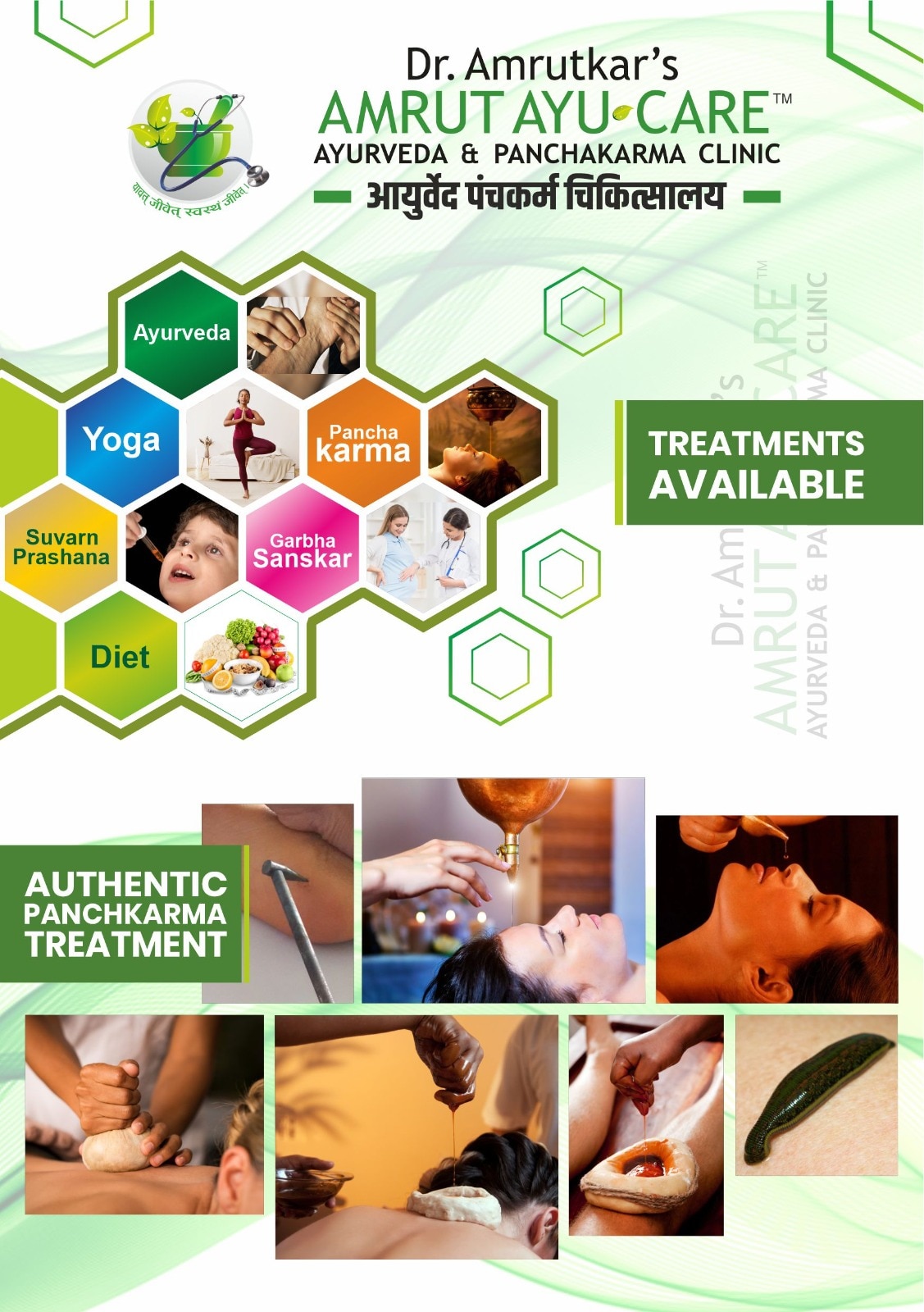
body. These include Vamana (therapeutic vomiting), Virechana (purgation), Basti
(enema), Nasya (nasal administration), and Raktamokshana (bloodletting). Each
of these treatments targets specific areas of the body and types of toxins,
working synergistically to promote overall health and well-being.
The importance of Panchakarma in Ayurveda cannot be overstated. It
is not only a therapeutic intervention but also a preventive measure that helps
maintain optimal health. According to Ayurvedic principles, the accumulation of
toxins, or "ama," in the body can lead to various diseases and health
issues. Panchakarma aims to remove these toxins and restore the body's natural
state of balance, known as "homeostasis." By doing so, it enhances
the body's self-healing mechanisms and strengthens the immune system. This
holistic approach to health is what sets Panchakarma apart from conventional
medical treatments.
Furthermore, Panchakarma is deeply rooted in the philosophy of
Ayurveda, which emphasizes the interconnectedness of the mind, body, and
spirit. The therapy not only addresses physical ailments but also promotes
mental clarity and emotional well-being. It is a personalized treatment that
takes into account an individual's unique constitution, or
"Prakriti," and current state of health, or "Vikriti." This
individualized approach ensures that each person receives the specific care
they need to achieve optimal health. In essence, Panchakarma is a comprehensive
and transformative therapy that embodies the holistic principles of Ayurveda.
Key
Benefits of Panchakarma Therapy
One of the primary benefits of Panchakarma therapy is its ability to
detoxify the body. In our modern world, we are constantly exposed to various
toxins through food, water, air, and even stress. These toxins can accumulate
in the body and lead to a range of health issues, from fatigue and digestive
problems to chronic diseases. Panchakarma effectively removes these toxins,
purifying the body and allowing it to function more efficiently. The result is
a profound sense of physical well-being and vitality.
In addition to detoxification, Panchakarma therapy is known for its
rejuvenating effects. The treatments help to restore the body's natural balance
and vitality, promoting overall health and longevity. By cleansing the body and
mind, Panchakarma enhances energy levels, improves digestion, and strengthens
the immune system. It also helps to reduce stress and anxiety, promoting mental
clarity and emotional stability. Many people report feeling more centered,
focused, and at peace after undergoing Panchakarma therapy.
Another significant benefit of Panchakarma is its ability to address
chronic health conditions. Ayurveda views disease as an imbalance in the body's
natural state of health. Panchakarma helps to correct these imbalances by
removing toxins and restoring the body's natural harmony. This makes it an
effective treatment for a wide range of health issues, including digestive
disorders, respiratory problems, skin conditions, and joint pain. Additionally,
Panchakarma can help to manage chronic stress and its associated health
effects, such as high blood pressure and insomnia. Overall, Panchakarma therapy
offers a holistic approach to health and wellness, addressing the root causes
of disease and promoting long-term well-being.
How
to Choose the Right Panchakarma Center
Choosing the right Panchakarma center is crucial to ensure you
receive the best possible care and achieve the desired results. One of the
first factors to consider is the qualifications and experience of the
practitioners. Look for centers that employ certified Ayurvedic doctors and
therapists who have extensive training and experience in Panchakarma therapy.
It is also important to check if the center is accredited by reputable
Ayurvedic organizations or institutions. This ensures that the center adheres to
high standards of practice and follows the principles of authentic Ayurveda.
Another important consideration is the center's facilities and
environment. Panchakarma therapy requires a serene and clean environment to
facilitate healing and relaxation. Visit the center if possible, or take a
virtual tour to assess the cleanliness, ambiance, and overall atmosphere. The
center should provide comfortable and well-maintained treatment rooms, as well
as adequate facilities for accommodation if you plan to stay for an extended
period. Additionally, inquire about the quality of the herbs and oils used in
the treatments, as these play a crucial role in the effectiveness of
Panchakarma therapy.
Lastly, consider the center's approach to personalized care.
Panchakarma is a highly individualized therapy that should be tailored to your
unique needs and constitution. Look for centers that offer comprehensive
consultations and assessments to determine the most appropriate treatments for
you. The practitioners should take the time to understand your health history,
current symptoms, and personal goals. They should also provide guidance on
lifestyle and dietary changes to support your Panchakarma therapy and enhance
its benefits. By choosing a center that prioritizes personalized care, you can
ensure that you receive the most effective and meaningful treatment.
Top
Features to Look for in a Panchakarma Center
When selecting a Panchakarma center, there are several key features
to look for that can enhance your overall experience and ensure you receive
high-quality care. One of the most important features is a comprehensive and
well-structured treatment plan. A reputable Panchakarma center should offer a
range of treatments that are tailored to your specific needs and health goals.
The treatment plan should include a combination of the five primary Panchakarma
procedures, as well as supportive therapies such as Abhyanga (oil massage),
Shirodhara (oil pouring on the forehead), and Swedana (herbal steam therapy).
This holistic approach ensures that you receive a thorough detoxification and
rejuvenation experience.
Another essential feature to look for is the presence of experienced
and knowledgeable practitioners. The success of Panchakarma therapy largely
depends on the skill and expertise of the therapists and doctors. Ensure that
the center employs certified Ayurvedic practitioners with a proven track record
in Panchakarma therapy. It is also beneficial if the center has a
multidisciplinary team that includes nutritionists, yoga instructors, and
mental health professionals. This allows for a more integrated approach to your
health and well-being.
Additionally, consider the quality and authenticity of the Ayurvedic
herbs and oils used in the treatments. High-quality, organic ingredients are
essential for the effectiveness of Panchakarma therapy. Reputable centers often
source their herbs and oils from trusted suppliers or prepare them in-house
using traditional methods. Inquire about the sourcing and preparation of these
ingredients to ensure you receive the best possible care. Moreover, the center
should provide detailed information about the treatments and their benefits,
helping you to understand and appreciate the process. By choosing a center with
these top features, you can enhance your Panchakarma experience and achieve
optimal results.
Understanding
the Different Types of Panchakarma Treatments
Panchakarma therapy consists of five main treatments, each designed
to target specific toxins and imbalances in the body. The first treatment,
Vamana (therapeutic vomiting), is used to expel toxins from the upper
respiratory and digestive tract. This procedure is particularly beneficial for
individuals with Kapha-related disorders, such as asthma, bronchitis, and
obesity. Vamana involves the ingestion of herbal decoctions and emetics,
followed by the induction of vomiting to clear the accumulated toxins.
The second treatment, Virechana (purgation), focuses on cleansing
the liver, gallbladder, and gastrointestinal tract. This procedure is
especially effective for Pitta-related disorders, such as skin conditions,
liver problems, and inflammatory diseases. Virechana involves the
administration of purgative herbs to induce bowel movements and eliminate
toxins from the body. The process is carefully monitored by practitioners to
ensure safety and effectiveness.
Basti (enema) is the third treatment and is considered one of the
most powerful Panchakarma procedures. It involves the administration of
medicated oils and herbal decoctions through the rectum to cleanse the colon
and balance the Vata dosha. Basti is beneficial for a wide range of health
issues, including digestive disorders, joint pain, and neurological conditions.
The treatment helps to remove deep-seated toxins, improve nutrient absorption,
and promote overall health.
Nasya (nasal administration) is the fourth Panchakarma treatment,
targeting the head and neck region. This procedure involves the application of
medicated oils or powders through the nasal passages to clear accumulated
toxins and improve respiratory and mental functions. Nasya is particularly
effective for conditions such as sinusitis, migraines, and mental health
issues. It helps to enhance cognitive functions, relieve stress, and improve
the overall sense of well-being.
The fifth treatment, Raktamokshana (bloodletting), is used to
cleanse the blood and remove toxins associated with various skin and blood
disorders. This procedure can be performed using different techniques, such as
venesection, leech therapy, or cupping. Raktamokshana is beneficial for
conditions like eczema, psoriasis, and hypertension. It helps to purify the
blood, improve circulation, and reduce inflammation. Together, these five
treatments form a comprehensive detoxification and rejuvenation therapy that
addresses the root causes of health imbalances.
What
to Expect During Your Panchakarma Experience
Embarking on a Panchakarma therapy journey can be both exciting and
transformative. Understanding what to expect during your experience can help
you prepare mentally and physically, ensuring you get the most out of your
treatments. The first step typically involves a detailed consultation with an
Ayurvedic doctor to assess your health, constitution (Prakriti), and current
imbalances (Vikriti). This assessment forms the basis of your personalized
treatment plan, which includes the specific Panchakarma procedures, supportive
therapies, and dietary recommendations tailored to your needs.
Once your treatment plan is established, the Panchakarma process
begins with a preparatory phase called "Purva Karma." This phase
includes practices such as Snehana (internal and external oleation) and Swedana
(sudation or sweating) to loosen and mobilize toxins from tissues. Snehana
involves the application of medicated oils both externally through massage and
internally through the ingestion of ghee or oil. Swedana, on the other hand,
uses steam or heat to open the body's channels and facilitate the movement of
toxins towards the digestive tract for elimination.
Following the preparatory phase, you will undergo the main
Panchakarma treatments, which may include Vamana, Virechana, Basti, Nasya, and
Raktamokshana, depending on your specific health needs. These treatments are
administered under the careful supervision of experienced practitioners to
ensure safety and effectiveness. During this phase, you may also receive
supportive therapies such as Abhyanga (oil massage), Shirodhara (oil pouring on
the forehead), and herbal baths to enhance the detoxification and rejuvenation
process. The entire Panchakarma experience is designed to be a holistic and
nurturing journey, promoting deep healing and transformation.
Testimonials
and Success Stories from Panchakarma Clients
Hearing about the experiences of others who have undergone
Panchakarma therapy can be incredibly inspiring and reassuring. Many clients
report profound transformations in their health and well-being after completing
a Panchakarma program. For example, Jane, a 45-year-old woman suffering from
chronic fatigue and digestive issues, shares how Panchakarma helped her regain
her energy and improve her digestion. She describes the therapy as a
"life-changing experience" that not only detoxified her body but also
brought mental clarity and emotional balance.
Similarly, Michael, a 50-year-old man with a history of
stress-related hypertension, found relief through Panchakarma. He explains how
the treatments helped him manage his blood pressure and reduce stress levels
significantly. Michael emphasizes the importance of the personalized care he
received, which addressed his specific health concerns and provided him with
practical lifestyle and dietary recommendations to maintain his well-being. His
story highlights the effectiveness of Panchakarma in managing chronic
conditions and promoting long-term health.
Another compelling success story comes from Priya, a 35-year-old
woman who struggled with skin conditions and hormonal imbalances. After
undergoing Panchakarma therapy, Priya noticed significant improvements in her
skin health and overall hormonal balance. She credits the therapy for not only
addressing her physical symptoms but also enhancing her mental and emotional
well-being. Priya's experience underscores the holistic nature of Panchakarma,
which considers the interconnectedness of the body, mind, and spirit in
promoting health and healing.
Frequently
Asked Questions About Panchakarma
One common question about Panchakarma is, "How long does the
therapy take?" The duration of Panchakarma therapy can vary depending on
the individual's health needs and the specific treatments required. Typically,
a complete Panchakarma program can last anywhere from 7 to 21 days. However,
some clients may require a shorter or longer duration based on their unique
constitution and health goals. It is important to consult with an Ayurvedic
practitioner to determine the most appropriate duration for your treatment.
Another frequently asked question is, "Are there any side
effects of Panchakarma?" While Panchakarma is generally considered safe
when performed by experienced practitioners, some individuals may experience
mild side effects such as fatigue, mild digestive disturbances, or emotional
release during the detoxification process. These side effects are usually
temporary and indicate that the body is undergoing a cleansing process. It is
essential to communicate with your practitioner throughout the therapy to ensure
any concerns are addressed promptly.
People also often ask, "What should I do to prepare for
Panchakarma therapy?" Preparing for Panchakarma involves making certain
lifestyle and dietary adjustments to support the detoxification process. This
may include eating a light, easily digestible diet, avoiding processed and
heavy foods, and incorporating gentle exercises such as yoga and meditation.
Your practitioner will provide specific guidelines based on your individual
needs. Additionally, it is important to approach Panchakarma with an open mind
and a positive attitude, as mental and emotional readiness can significantly
enhance the benefits of the therapy.
Conclusion:
Your Path to Wellness Through Panchakarma
Embarking on a Panchakarma journey is a powerful step towards
achieving holistic health and wellness. This ancient Ayurvedic therapy offers a
comprehensive approach to detoxification and rejuvenation, addressing the root
causes of health imbalances and promoting overall well-being. By choosing the
right Panchakarma center and understanding the various treatments, you can
experience the profound benefits of this time-honored practice.
Panchakarma therapy not only cleanses the body of toxins but also
enhances mental clarity, emotional stability, and spiritual growth. The
personalized care provided by experienced practitioners ensures that each
individual's unique needs and health goals are addressed. Whether you are
seeking relief from chronic health conditions, looking to boost your energy
levels, or simply aiming to maintain optimal health, Panchakarma offers a
transformative path to wellness.
As you consider embarking on this journey, take the time to research
and select a reputable Panchakarma center that resonates with you. Embrace the
holistic principles of Ayurveda and allow yourself to experience the deep
healing and rejuvenation that Panchakarma has to offer. By doing so, you can
unveil a revitalized sense of self and embrace a healthier, more balanced life.
The healing power of Panchakarma awaits, guiding you on your path to holistic
health and well-being.


