
Effective Ayurvedic Treatments for Acid Reflux at Amrut Ayu Care, Pune
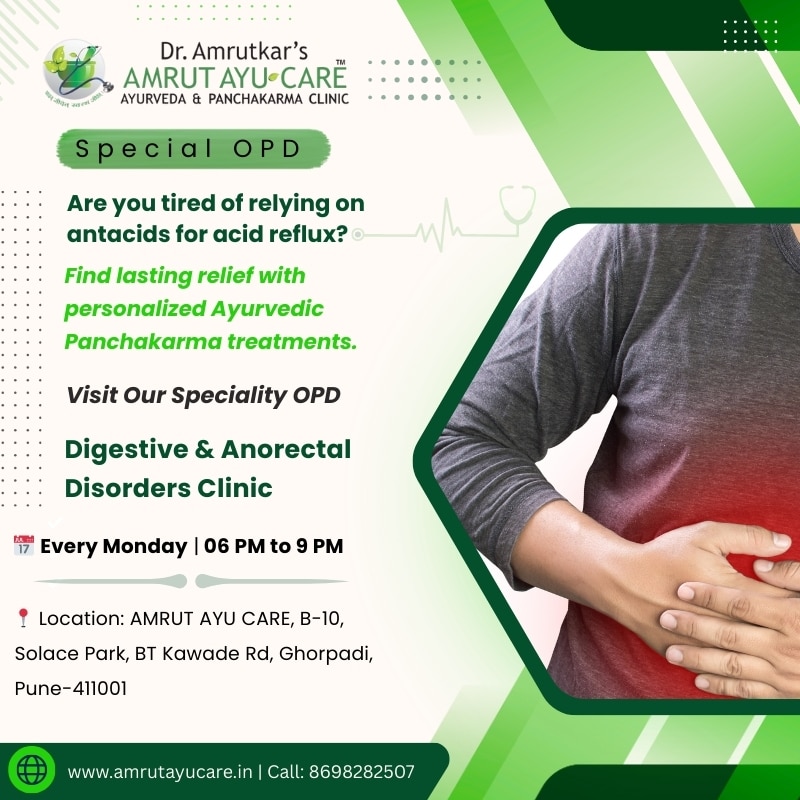
Are you tired of reaching for antacids every time that burning sensation strikes? It’s time to break free from the cycle of temporary relief and embrace a holistic, lasting solution. At Amrut Ayu Care in Pune, we specialize in effective Ayurvedic treatments for acid reflux that address not just the symptoms but the root causes of your discomfort. With ancient wisdom intertwined with modern techniques, our personalized therapies aim to restore balance in your digestive system, enhancing your overall well-being. Say goodbye to pharmaceuticals and discover natural remedies that harmonize mind and body. Join us on a journey toward a healthier, reflux-free life, where the power of Ayurveda transforms your approach to wellness. Experience the difference of treatments tailored specifically for you and reclaim the joy of dining without worry. Don’t let acid reflux hold you back—take the first step toward relief today!
Understanding Acid Reflux: Causes and Symptoms
- Acid reflux, also known as gastroesophageal reflux disease (GERD), is a condition where stomach acid frequently flows back into the esophagus, causing irritation and discomfort. This backward flow of acid can lead to a burning sensation in the chest, commonly referred to as heartburn. Many individuals experience this sensation occasionally, but when it becomes frequent and persistent, it can significantly impact one's quality of life. Several factors contribute to acid reflux, including lifestyle choices, dietary habits, and underlying medical conditions.
- The primary cause of acid reflux is the malfunctioning of the lower esophageal sphincter (LES), a ring of muscle that acts as a valve between the esophagus and the stomach. When the LES weakens or relaxes inappropriately, stomach acid can escape into the esophagus, leading to the characteristic symptoms of acid reflux. Common triggers for this condition include consuming large meals, lying down immediately after eating, being obese or pregnant, and certain foods and beverages such as spicy foods, citrus fruits, chocolate, caffeine, and alcohol.
- Symptoms of acid reflux vary from person to person but typically include heartburn, regurgitation of food or sour liquid, difficulty swallowing, and chest pain, especially when lying down or bending over. Chronic acid reflux can also lead to more serious complications such as esophagitis (inflammation of the esophagus), esophageal strictures, and an increased risk of esophageal cancer. Understanding the causes and symptoms is the first step toward managing and treating this condition effectively.
The Limitations of Conventional Antacid Treatments
- While antacids and other conventional treatments can provide temporary relief from the symptoms of acid reflux, they often fall short in addressing the root cause of the condition. Antacids work by neutralizing stomach acid, which can alleviate the burning sensation and discomfort associated with heartburn. However, these medications only offer short-term relief and do not prevent the recurrence of symptoms. Moreover, prolonged use of antacids can lead to side effects such as diarrhea, constipation, and imbalances in electrolytes.
- Proton pump inhibitors (PPIs) and H2 receptor blockers are other common medications prescribed for acid reflux. These drugs reduce the production of stomach acid, providing longer-lasting relief compared to antacids. However, they too come with their set of drawbacks. Long-term use of PPIs has been linked to an increased risk of bone fractures, kidney disease, and vitamin B12 deficiency. Additionally, these medications can cause a rebound effect, where symptoms return with greater intensity once the medication is discontinued.
- The limitations of conventional treatments indicate that patients require a more holistic approach to managing acid reflux. Instead of merely masking the symptoms, it is essential to address the underlying causes and support the body's natural healing processes. This is where Ayurveda, an ancient system of natural healing that originated in India, offers a promising alternative. By focusing on balancing the body's energies and promoting overall well-being, Ayurvedic treatments can provide lasting relief from acid reflux without the adverse side effects associated with conventional medications.
Key Ayurvedic Principles for Managing Acid Reflux
- Ayurveda is a holistic system of medicine that emphasizes a balance of mind, body, and spirit to achieve optimal health. According to Ayurvedic principles, acid reflux is primarily caused by an imbalance in the body's doshas, particularly the Pitta dosha, which governs digestion and metabolism. An excess of Pitta can lead to increased heat and acidity in the stomach, resulting in the symptoms of acid reflux. Therefore, the goal of Ayurvedic treatment is to restore balance to the doshas and reduce excess Pitta.
- One of the fundamental principles of Ayurveda is the concept of Agni, or digestive fire. Agni is responsible for breaking down food, absorbing nutrients, and eliminating waste. When Agni is strong and balanced, digestion is smooth and efficient. However, when Agni is weakened or disturbed, it can lead to digestive disorders such as acid reflux. Ayurvedic treatments focus on strengthening and balancing Agni through dietary adjustments, herbal remedies, and lifestyle changes.
- Another key principle in Ayurveda is the importance of individualized treatment. Each person is unique, with their constitution (Prakriti) and health challenges. Therefore, Ayurvedic practitioners tailor their treatments to the specific needs of each patient, taking into account their dosha balance, lifestyle, and overall health. This personalized approach ensures that the treatment addresses the root cause of the condition and promotes lasting healing and well-being.
Effective Ayurvedic Remedies for Acid Reflux
- Ayurveda offers various natural remedies to manage and treat acid reflux, focusing on reducing excess Pitta and restoring balance to the digestive system. One of the most commonly used herbs in Ayurvedic treatment for acid reflux is Amla (Indian gooseberry). Amla is known for its cooling properties and high vitamin C content, which help to soothe the stomach lining and reduce acidity. Consuming Amla juice or powder regularly can provide significant relief from acid reflux symptoms.
- Another effective Ayurvedic remedy is Licorice root (Yashtimadhu), which has been traditionally used to treat various digestive disorders. Licorice root has anti-inflammatory and soothing properties that can help heal the esophageal lining and reduce irritation caused by stomach acid. It can be consumed as a tea or taken in capsule form. However, it is important to consult an Ayurvedic practitioner before using Licorice root, as it may not be suitable for everyone.
- Triphala, a combination of three fruits (Amalaki, Bibhitaki, and Haritaki), is another powerful Ayurvedic remedy for acid reflux. Triphala helps balance the doshas, improve digestion, and detoxify the body. It can be consumed powdered or in tablet form. Additionally, herbs such as Shatavari, Guduchi, and Brahmi can also be beneficial in managing acid reflux by calming the digestive system and reducing inflammation. Incorporating these herbs into your daily routine, under the guidance of an Ayurvedic practitioner, can provide long-term relief and support overall digestive health.
Dietary Recommendations According to Ayurveda
- Diet plays a crucial role in managing acid reflux according to Ayurvedic principles. To balance Pitta and reduce acidity, it is essential to follow a diet that includes cooling, calming, and easily digestible foods. Fresh fruits and vegetables, particularly those with high water content like cucumbers, melons, and leafy greens, are highly recommended. These foods help to hydrate the body and soothe the digestive tract. Additionally, incorporating whole grains such as rice, quinoa, and oats can provide a stable source of energy without aggravating acid reflux.
- It is also important to avoid foods and beverages that can increase Pitta and trigger acid reflux symptoms. Spicy foods, citrus fruits, tomatoes, onions, and garlic should be consumed in moderation or avoided altogether. Similarly, caffeinated drinks, alcohol, and carbonated beverages can exacerbate acid reflux and should be limited. Instead, opt for herbal teas such as chamomile, fennel, and ginger, which have calming and digestive properties.
- Eating habits are just as important as food choices in Ayurveda. It is recommended to eat smaller, more frequent meals throughout the day rather than large, heavy meals. This helps to prevent overloading the digestive system and reduces the likelihood of acid reflux. Chewing food thoroughly and eating slowly can also aid digestion and promote a feeling of fullness. Additionally, drinking water between meals rather than during meals can prevent dilution of digestive juices and support optimal digestion.
Lifestyle Changes to Alleviate Acid Reflux Symptoms
- In addition to dietary adjustments, certain lifestyle changes can significantly alleviate acid reflux symptoms and promote overall digestive health. One of the key recommendations in Ayurveda is to establish a routine, known as Dinacharya. This involves waking up, eating, and going to bed at the same time each day. A consistent routine helps to regulate the body's internal clock and supports healthy digestion.
- Stress management is another crucial aspect of managing acid reflux. Stress can increase Pitta and exacerbate acid reflux symptoms. Incorporating relaxation techniques, such as deep breathing exercises, meditation, and yoga, into your daily routine can help reduce stress and promote mental and physical well-being. Practicing mindfulness during meals, by focusing on the act of eating and savoring each bite, can also improve digestion and prevent overeating.
- Physical activity is essential for maintaining a healthy digestive system. Regular exercise, such as walking, swimming, or gentle yoga, can help to stimulate digestion and prevent acid reflux. However, it is important to avoid vigorous exercise immediately after meals, as this can increase the risk of acid reflux. Instead, opt for light activities such as a leisurely walk after eating. Additionally, elevating the head of your bed a few inches can help prevent nighttime acid reflux by keeping stomach acid from flowing back into the esophagus.
Success Stories: Patient Experiences at Amrut Ayu Care
- At Amrut Ayu Care in Pune, numerous patients have found lasting relief from acid reflux through personalized Ayurvedic treatments. One such success story is that of Mr. Ramesh, a 45-year-old businessman who had been struggling with chronic acid reflux for several years. Despite trying various conventional treatments, his symptoms persisted, affecting his quality of life and productivity. After consulting the Ayurvedic practitioners at Amrut Ayu Care, Mr. Ramesh began a tailored treatment plan that included dietary adjustments, herbal remedies, and lifestyle changes. Within a few months, his symptoms significantly improved, and he was able to enjoy his meals without discomfort.
- Another inspiring case is that of Mrs. Priya, a 30-year-old teacher who experienced severe acid reflux during her pregnancy. Concerned about the safety of conventional medications, she turned to Ayurveda for a natural solution. The practitioners at Amrut Ayu Care provided her with safe and effective remedies, along with specific dietary recommendations to manage her symptoms. With their guidance, Mrs. Priya was able to reduce her acid reflux and enjoy a healthy pregnancy.
- These success stories highlight the profound effectiveness of Ayurveda in managing acid reflux. By addressing the root causes of the condition and promoting overall well-being, Ayurvedic treatments at Amrut Ayu Care have helped many individuals break free from the cycle of temporary relief and achieve lasting health. The personalized approach ensures that each patient receives the care and support they need to overcome their digestive challenges and lead a reflux-free life.
How to Get Started with Ayurvedic Treatment for Acid Reflux
- If you are ready to explore Ayurvedic treatments for acid reflux and experience the benefits of holistic healing, getting started at Amrut Ayu Care is simple. The first step is to schedule a consultation with one of our experienced Ayurvedic practitioners. During this initial consultation, the practitioner will conduct a thorough assessment of your health, including your medical history, lifestyle, diet, and dosha balance. This comprehensive evaluation helps to identify the underlying causes of your acid reflux and develop a personalized treatment plan.
- Based on the assessment, the practitioner will recommend a combination of dietary adjustments, herbal remedies, and lifestyle changes tailored to your specific needs. You will receive guidance on incorporating Ayurvedic principles into your daily routine, including meal planning, stress management techniques, and appropriate physical activities. The treatment plan may also include regular follow-up consultations to monitor your progress and make any necessary adjustments.
- It is important to approach Ayurvedic treatment with an open mind and a commitment to making sustainable changes. While the results may not be immediate, many patients experience significant improvements within a few weeks or months of starting their treatment. By embracing the holistic approach of Ayurveda and following the guidance of the practitioners at Amrut Ayu Care, you can achieve lasting relief from acid reflux and enhance your overall health and well-being.
Conclusion: Embracing Ayurveda for Long-Term Relief
- Acid reflux can be a debilitating condition that affects your daily life and well-being. While conventional treatments may offer temporary relief, they often fail to address the root causes and come with potential side effects. Ayurveda, with its holistic approach and natural remedies, provides a promising alternative for managing and treating acid reflux. By focusing on balancing the doshas, strengthening Agni, and promoting overall health, Ayurvedic treatments offer lasting relief without the adverse effects of conventional medications.
- At Amrut Ayu Care in Pune, our experienced practitioners are dedicated to helping you achieve optimal health through personalized Ayurvedic treatments. Whether you are struggling with chronic acid reflux or seeking a natural solution during pregnancy, our comprehensive approach can provide the relief you need. By making dietary adjustments, incorporating herbal remedies, and adopting lifestyle changes, you can restore balance to your digestive system and enjoy a reflux-free life.
- Embrace the wisdom of Ayurveda and take the first step toward long-term relief from acid reflux. With the support and guidance of the practitioners at Amrut Ayu Care, you can break free from the cycle of temporary relief and experience the transformative power of holistic healing. Say goodbye to antacids and hello to a healthier, happier you.


