
Research shows 90% of adolescent females and over 50% of menstruating women worldwide deal with period pain while looking for ayurvedic medicine for period pain relief.
- The monthly discomfort severely disrupts daily activities at school, work, or home for 10-15% of women. Indian women face similar challenges, with 40-50% experiencing dysmenorrhea. In Ayurveda, this condition is called Kashtartava.
- The symptoms go beyond abdominal pain and greatly affect energy levels and emotional well-being. Women often experience nausea, vomiting, dizziness, leg cramps, and headaches.
- Ancient Ayurvedic wisdom provides effective solutions for dysmenorrhea treatment without side effects. My years of studying traditional home remedies for period pain have shown that Panchakarma therapies bring remarkable relief to many women dealing with monthly discomfort.
- This blog outlines the most effective Ayurvedic treatment for dysmenorrhea and the best Ayurvedic medicine for period cramps to help restore your natural balance. These time-tested approaches could be the natural solution you need, regardless of your pain level.
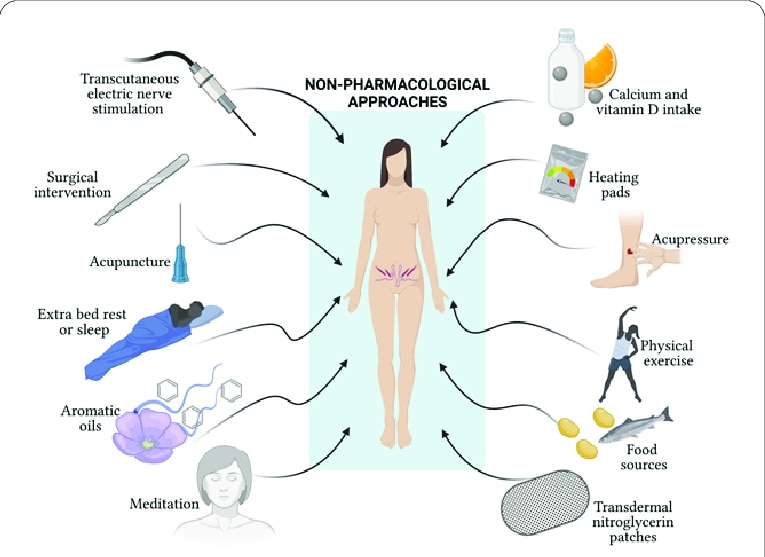
Image Source: ResearchGate
Ayurvedic medicine sees period pain as more than just a physical symptom - it points to deeper imbalances in the body's energy systems. You need to understand how this 5000-year-old medical system views menstrual discomfort before learning about ayurvedic treatments for period pain.
What is dysmenorrhea or Kashtartava?
- The term "Kashtartava" in Ayurveda perfectly describes painful periods. Two Sanskrit words make up this term - "Kashta" (painful/difficult) and "Artava" (menstruation) - which means menstruation that happens with great difficulty. The specific expression "Kashtena Muchyati Iti Kashtartava" describes menstrual flow that comes with intense pain and struggle.
- Classical Ayurvedic texts don't list Kashtartava as a separate disease. They see it as a symptom that shows up in several gynecological disorders like Udavarta Yonivyapad, Vatala Yonivyapad, and Sannipataki Yonivyapad. This condition affects 10-20% of women badly enough to impact their daily lives.
- Women with dysmenorrhea experience menstrual pain so severe it stops them from doing normal activities. The pain usually starts hours before or right when menstruation begins. Many women also deal with nausea, vomiting, fatigue, diarrhea, headaches, and sometimes even fainting.
Role of Apana Vayu and Vata Dosha
- Vata dosha plays the main role in all menstrual disorders, according to Ayurvedic principles. Two types of Vata - Apana Vayu and Vyana Vayu - control women's reproductive functions.
- The pelvic region houses Apana Vayu, which controls the menstrual cycle. This energy naturally flows downward and outward to help menstrual blood leave the body properly. Different factors can disrupt this natural flow.
- Acharya Charaka, a key figure in Ayurveda, explains that Apana Vayu becomes aggravated when natural urges get suppressed (Vegavarodha). The reversed energy fills the vaginal canal (Yoni) and pushes menstrual blood (Raja) upward instead of letting it flow down naturally. The body fights this unnatural movement, which leads to pain and cramping.
- Vyana Vayu helps with menstrual health by managing the uterus's proper contraction and relaxation (Akunchana and Prasarana). Painful periods happen when either of these Vata subtypes loses balance.
Primary vs. secondary dysmenorrhea
- Modern medicine and Ayurvedic understanding both recognize two different types of dysmenorrhea.
- Primary dysmenorrhea means menstrual pain without any clear pelvic problems. Women usually notice it 1-2 years after their first period, once their cycles become regular. The pain feels spasmodic and colicky in the lower abdomen and might spread to the lower back and thighs. Most women feel this pain just before or during their period for 48-72 hours.
- Secondary dysmenorrhea develops because of underlying reproductive problems. The pain often begins 1-2 weeks before the period starts and lasts several days after bleeding stops. Endometriosis, adenomyosis, uterine fibroids, pelvic inflammatory disease, and ovarian cysts commonly cause this type.
- Ayurveda traces both types back to Vata imbalance, especially disturbed Apana Vayu. Secondary dysmenorrhea needs specific targeted treatments beyond just fixing Vata imbalance because it involves additional health issues.
- These differences matter when choosing the right ayurvedic treatment for dysmenorrhea or finding the best ayurvedic medicine for period cramps.
Root Causes of Menstrual Pain in Ayurvedic View
Ayurveda teaches us that menstrual pain starts with subtle energy imbalances in your body. These imbalances, linked to Vata dosha, can show up as painful periods that affect your daily life and well-being.
Vata aggravation and its triggers
Ayurvedic texts tell us that gynecological disorders don't happen without Vata Dosha being out of balance. The pelvis serves as Vata's home, especially Apana Vata that controls menstrual flow. When this energy gets disturbed, you end up with painful periods.
Here's what can throw Vata off balance:
Cold, dry weather (especially fall and early winter)
Travel and high altitudes
Irregular sleep patterns and late nights
Consuming cold, raw foods and beverages
Constant activity and erratic schedules
Holding back natural urges (Vegavarodha) makes Apana Vayu flow backward. It fills the vaginal canal and pushes menstrual blood up - causing pain and discomfort. This explains why women with reproductive problems usually have some Vata imbalance.
Diet, stress, and lifestyle effects
Mithya Ahara (improper diet) plays a big role in menstrual discomfort. Foods that are too Ruksha (dry), Sheeta (cold), and Khara (hard) upset Vata. The same goes for foods that taste bitter, pungent, or astringent.
On top of that, not eating enough (Anashana) or eating irregularly (Vishamashana) throws Vata off balance directly. Poor digestion can lead to headaches, nausea, bloating, and constipation during periods.
These lifestyle choices can make period pain worse:
Too much exercise or physical activity
Faulty sexual practices
Sudden weight changes
Over-exercising or being too sedentary
Research shows that body mass index and physical activity affect menstrual cycles by a lot. Women who are both obese and inactive have more irregular periods than those at normal weight who exercise moderately.
Mental health's role
- Your mental health is a vital part of menstrual health. Acharya Charaka found that psychological factors like Bhaya (fear), Shoka (grief), Chinta (excessive thinking), Krodha (anger), and Tanava (stress) can upset Vata.
- Research has linked depression to menstrual irregularities. Women with major depression often have longer bleeding times and irregular cycles. A study found that 30% of female students had high stress levels, which tied directly to irregular menstrual cycles.
- Stress changes hormones by affecting the hypothalamic-pituitary-gonadal axis that controls reproduction. High cortisol from stress can interfere with progesterone production. This affects the luteal phase of your menstrual cycle and might cause longer or painful periods.
- These root causes are the foundations for effective ayurvedic medicine for period pain. They create a path to complete healing through proper dysmenorrhea ayurvedic treatment.
Panchakarma Therapies for Lasting Relief
Panchakarma therapies are a great way to get relief from period pain because they target why it happens instead of just masking symptoms. These specialized detoxification procedures help restore balance to the reproductive system.
Basti therapy for Vata balance
Basti, known as the "mother of all treatments" in Ayurveda, is the life-blood of menstrual pain treatment. This medicated enema treatment targets Vata imbalances in the pelvic region. Vata aggravation causes more than half of all human diseases, which makes Basti crucial for treating dysmenorrhea.
Basti's therapeutic benefits include:
Direct pacification of Apana Vayu, which controls menstrual flow
Cleansing of accumulated toxins from all three doshas, especially Vata
Better digestive capacity and intestinal flora health
Better sleep patterns and nervous system function
Basti creates total balance by keeping the base prana fed in the colon. This leads to better circulation and less pain during menstruation.
Abhyanga and Swedana for pelvic relaxation
Abhyanga (oil massage) with Swedana (herbal steam therapy) brings powerful relief from menstrual cramping. People should avoid Abhyanga during active menstruation, but it works great between cycles to prevent future pain.
Swedana therapy happens in a chamber filled with steam from herb-infused water. Blood vessels dilate, pelvic circulation improves, and tight muscles in the lower abdomen relax. Heat from Swedana loosens joints, eases stiffness, and reduces pain by a lot by clearing blockages that block proper menstrual flow.
Uttarbasti for reproductive detox
Uttarbasti, a specialized uterine therapy, delivers medicated oils straight into the reproductive tract. This unique Panchakarma procedure helps with Yonivyapad (gynecological disorders), including dysmenorrhea.
Research shows Uttarbasti works for primary dysmenorrhea because herbs like Lasuna (Allium sativum) block prostaglandin synthesis, ease myometrial contractions, and cause vasodilation. The procedure uses 5-10ml of medicated oil in the uterus for 5-10 minutes, done for three straight days starting around day 9 after menstruation ends.
Yoni Pichu for localized pain relief
Yoni Pichu offers direct, localized treatment for menstrual discomfort. A sterile cotton swab soaked in medicated oil goes inside the vagina for 15-30 minutes. The oils contain powerful Ayurvedic ingredients like Dashmool that reduce inflammation and pain, plus herbs that balance Vata and Pitta doshas.
Healing oils penetrate reproductive tissues during Pichu treatment. This provides moisturizing, anti-inflammatory, and antispasmodic effects. The therapy works especially well for dyspareunia (painful intercourse) and post-menopausal vaginal dryness that can come with menstrual disorders.
You should talk to a qualified Ayurvedic practitioner before trying these therapies. They can customize treatments based on your constitution and imbalances. These Panchakarma therapies can give lasting relief from period pain without side effects when done properly.
Ayurvedic Medicines and Herbal Formulations
Traditional herbal formulations and Panchakarma therapies are great allies to manage menstrual discomfort. Ancient texts describe several classical preparations that restore balance to disturbed Vata and reduce menstrual pain.
These traditional formulations ended up providing safe, effective relief when used properly under guidance. They work because they address why it happens rather than just masking symptoms.
Supportive Practices for Monthly Comfort
Self-care practices are vital in managing menstrual discomfort alongside professional treatments. Simple approaches can reshape your monthly experience with consistent use.
Home remedies for period pain
Heat therapy stands out as an immediate relief option. A warm compress or hot water bottle on your lower abdomen helps relax uterine muscles and improves blood circulation. Castor oil massage on your abdomen, lower back and thighs provides deeper relief by pacifying Vata. Ginger tea works well too - just boil fresh ginger in water to reduce inflammation-causing prostaglandins. Fenugreek water helps reduce menstrual cramps - simply soak 1 tsp seeds overnight.
Yoga poses and breathing techniques
Specific yoga positions target menstrual pain directly. Child's Pose (Balasana) stretches your lower back gently. Legs-Up-The-Wall (Viparita Karani) helps reduce fatigue. Cat-Cow poses enhance blood flow to reproductive organs and ease period pain naturally. The 4-7-8 breathing technique promotes better sleep and reduces anxiety - inhale for 4 seconds, hold for 7, then exhale for 8. Alternate nostril breathing activates your parasympathetic nervous system, lowers blood pressure, and slows heart rate - benefits that help during menstruation.
Dietary tips to pacify Vata
People with Vata-type dysmenorrhea should skip cold, raw, rough, and dry foods. Warm, soupy, unctuous and mildly spiced meals work better. Your diet should include iron-rich foods like dates, spinach, and pomegranate. Sesame seeds, almonds, and coconut provide healthy fats that support hormonal balance. Herbal teas with ginger, turmeric, cumin, and fennel reduce bloating and enhance digestion. Drink plenty of lukewarm water and avoid caffeine.
Tracking and preparing for your cycle
Your body's natural rhythms can reveal imbalances early. Regular tracking helps spot irregularities like missed periods, spotting, or prolonged cycles. Understanding how emotions, stress, diet, and sleep affect your cycle leads to more effective treatment. A fixed sleep schedule before 10 PM helps regulate cortisol levels. This knowledge helps you anticipate needs and prepare appropriate ayurvedic medicines for period pain beforehand.
Conclusion
You don't have to let painful periods disrupt your life every month. Ancient wisdom offers effective, natural solutions for modern women through Ayurvedic approaches to menstrual discomfort. Without doubt, looking at period pain through the Ayurvedic lens of Vata imbalance, especially with disrupted Apana Vayu, helps create a foundation for real relief.
Panchakarma therapies are powerful ways to address why it happens instead of just hiding symptoms. Basti therapy brings Vata back into balance, while Abhyanga and Swedana help relax tense pelvic muscles. On top of that, it delivers specialized treatments like Uttarbasti and Yoni Pichu that bring medicinal benefits directly to reproductive tissues and offer deep healing potential.
Classical Ayurvedic formulations work well when matched to your specific symptoms and body constitution. These time-tested medicines support reproductive health without the side effects you often see with regular pain medications.
Your experience with comfortable periods goes beyond professional treatments. Simple daily practices make the most important difference. Heat therapy, castor oil massage, and herbal teas bring immediate comfort, while specific yoga poses help release tension in your pelvic region. A Vata-pacifying diet with warm foods that keep people fed supports hormonal balance throughout your cycle.
Note that Ayurveda sees menstrual health as a sign of your overall well-being. Period pain indicates imbalances that need attention rather than suppression. This all-encompassing approach deals with physical, emotional, and lifestyle factors that lead to monthly discomfort.
Most women see improvements within 2-3 menstrual cycles when they stick to these Ayurvedic practices. Patience and perseverance will give you the best results. Your path to pain-free periods starts with small, green changes that respect your body's natural rhythms and healing ability.
Key Takeaways
Discover how ancient Ayurvedic wisdom can transform your monthly experience through natural, root-cause treatments that address period pain without harmful side effects.
• Vata imbalance is the root cause: Period pain stems from disturbed Apana Vayu energy flow, which can be corrected through targeted Ayurvedic treatments rather than symptom suppression.
• Panchakarma offers lasting relief: Specialized therapies like Basti, Uttarbasti, and Yoni Pichu directly address reproductive imbalances and provide profound healing without side effects.
• Classical formulations work effectively: Time-tested medicines like Rajapravartini Vati and Kumaryasava regulate cycles and reduce pain when matched to your specific symptoms.
• Daily practices amplify results: Heat therapy, castor oil massage, Vata-pacifying diet, and specific yoga poses provide immediate comfort while supporting long-term balance.
• Holistic approach yields best outcomes: Combining professional treatments with lifestyle modifications typically shows improvement within 2-3 cycles, addressing physical and emotional factors together.
The key to success lies in understanding that menstrual health reflects your overall well-being. By addressing the underlying Vata imbalances through comprehensive Ayurvedic care, you can achieve comfortable, regular periods naturally while supporting your body's innate healing wisdom.
FAQs
Q1. What are some effective Ayurvedic remedies for reducing period pain?
Ayurveda offers several natural remedies for menstrual pain relief. Ginger tea can help reduce cramps due to its anti-inflammatory properties. Applying warm castor oil on the lower abdomen can pacify Vata and ease discomfort. Herbs like turmeric and fenugreek are also known for their pain-relieving effects when consumed regularly.
Q2. Is it safe to undergo Panchakarma treatments during menstruation?
Generally, it's not recommended to undergo most Panchakarma treatments during active menstruation. However, certain therapies like Abhyanga (oil massage) can be beneficial when done between cycles to prevent future pain. Always consult with a qualified Ayurvedic practitioner before scheduling any treatments around your menstrual cycle.
Q3. How does Ashwagandha help with menstrual discomfort?
Ashwagandha may help alleviate period pain through its anti-inflammatory and analgesic properties. It can potentially reduce menstrual cramps by inhibiting COX-2, an enzyme involved in inflammation. Additionally, its stress-reducing effects may help manage other PMS symptoms like mood swings and fatigue.
Q4. What are some natural ways to manage menstrual pain at home?
Several home remedies can provide relief from menstrual pain. Applying a heating pad or warm compress to the lower abdomen can relax uterine muscles. Gentle yoga poses like Child's Pose or Legs-Up-The-Wall can help ease discomfort. Staying hydrated and avoiding caffeine and alcohol can also make a difference in managing pain.
Q5. How can dietary changes help in reducing period pain according to Ayurveda?
Ayurveda recommends a Vata-pacifying diet to manage menstrual discomfort. This includes favoring warm, soupy, and mildly spiced meals while avoiding cold and raw foods. Incorporating iron-rich foods like dates and pomegranate, as well as healthy fats from nuts and seeds, can support hormonal balance. Herbal teas with ginger, cumin, and fennel can also help ease bloating and improve digestion during menstruation.


