Viman Nagar
08048069123
+918698282507

10 Ayurvedic Fertility Diet Foods for Natural Conception

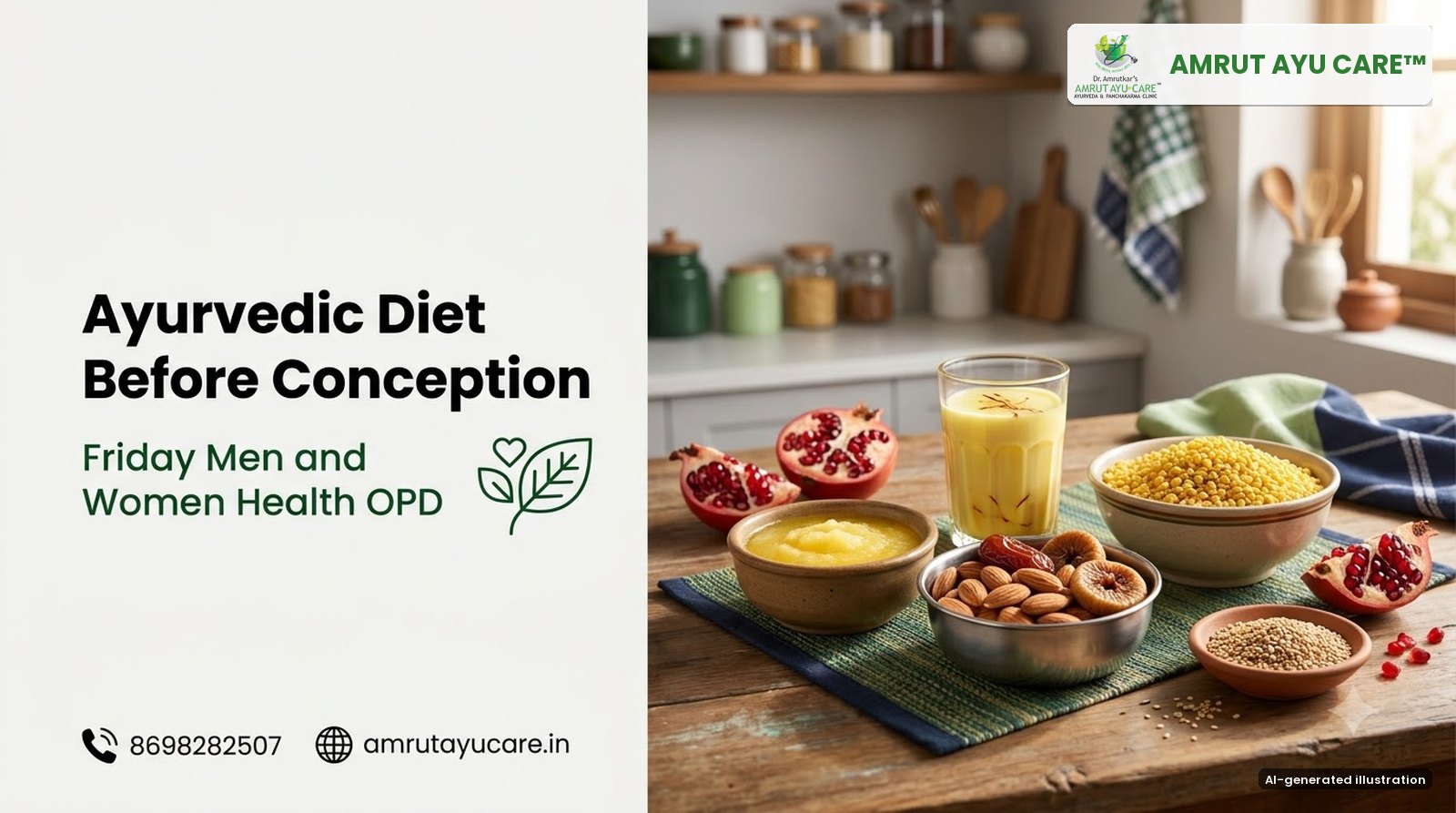
Ayurvedic fertility foods including turmeric, nuts, figs, pomegranate, pears, and ghee on a wooden table in natural light.

Are you struggling with fertility issues? You're not alone. One in four early pregnancies end in miscarriage, and infertility cases continue to rise due to modern life stressors. Many couples now turn to an ayurvedic fertility diet for natural solutions.

Small improvements in diet and lifestyle can substantially affect fertility for both partners . Ayurveda teaches that successful conception requires balance in four critical factors: timing, a healthy womb, proper nourishment, and healthy reproductive cells . Fertility-boosting foods play a crucial role in this balance. Fertility in Ayurveda depends on Shukra dhatu (reproductive tissue) that gets nourishment from all other bodily tissues .

Ancient Ayurvedic wisdom suggests that food for fertility goes beyond just eating—it creates the optimal internal environment for conception. Worldwide fertility rates continue to decline, especially when you have busy metropolitan settings . Conditions like PCOS affect 5-10% of women globally . An ayurvedic diet plan for fertility offers a comprehensive approach worth learning about. This piece will share 10 science-backed foods that are the foundations of fertility ayurveda—natural options that could help you on your conception experience.

Ghee (Clarified Butter)

Image Source: Pharmacally

Ghee serves as the life-blood of the ayurvedic fertility diet and people have revered it for centuries to improve reproductive health. Regular butter differs from ghee, which is clarified butter. The simmering process removes water content and milk solids to create a rich, golden fat that keeps people fed and digests easily [1].

Key Nutrients in Ghee

Ghee's nutritional profile makes it an outstanding fertility booster. It contains rich amounts of fat-soluble vitamins A, D, E, and K [1] that play significant roles in reproductive health. The healthy saturated and monounsaturated fatty acids in ghee [2] help build reproductive hormones.

Ghee contains phospholipids, particularly phosphatidylinositol, which support hormone mechanisms [3]. People with lactose intolerance can still benefit from ghee since it contains no lactose while providing all its fertility benefits [2].

How Ghee Supports Fertility

Ghee affects fertility through several pathways. The essential fatty acids in ghee help produce and regulate reproductive hormones like estrogen, progesterone, and testosterone [1]. Hormone imbalances can lead to irregular cycles, ovulation problems, and reduced sperm count when healthy fats are lacking [1].

Ayurvedic medicine recognizes that ghee directly feeds Shukra Dhatu – the reproductive tissue responsible for sexual energy. Women experience healthier ova and regular menstrual cycles, while men see improvements in sperm quality, count, and motility [1].

Ghee builds Ojas – the subtle energy that controls vitality, immunity, and fertility [1]. This makes it valuable for fertility by supporting:

  • Female fertility: Balances estrogen and progesterone, nourishes ova, and supports postpartum recovery [1]

  • Male fertility: Enhances sperm quality, balances testosterone levels, and boosts reproductive vitality [1]

Studies show that ghee improves lipid profiles, increases antioxidant enzymes, and enhances female fertility-related parameters [4]. The conjugated linoleic acid (CLA) in ghee improves ovarian follicular steroidogenesis and boosts circulating IGF-I, which helps follicular and luteal development [4].

Best Ways to Include Ghee in Diet

Experience shows these effective ways to add ghee to an ayurvedic diet plan for fertility:

  1. Add a spoonful to warm morning porridge to start your day with fertility-supporting nutrients [1]

  2. Use ghee as your primary cooking fat for vegetables and grains, especially in traditional Ayurvedic dishes like kitchari [1]

  3. Create a nourishing fertility tonic by stirring ghee into warm milk with a pinch of saffron or cardamom [1]

  4. Make Ayurvedic bliss balls using ghee, dates, and nuts for a convenient fertility-boosting snack [1]

Regular consumption matters more than quantity. Small amounts of high-quality ghee work better than occasional large servings. Grass-fed cow's ghee offers the highest nutrient quality with minimal contamination [2].

Shatavari (Asparagus Racemosus)

Image

Image Source: link.springer.com

Shatavari (Asparagus racemosus), called the "Queen of Herbs" in Ayurveda, has been valued for centuries as a powerful fertility booster. Its Sanskrit name means "she who possesses 100 husbands" and points to its traditional role in supporting female reproductive health [5]. This spiky plant with thick tuberous roots grows native to the Indian subcontinent and has become the life-blood of fertility ayurveda practices worldwide.

Key Nutrients in Shatavari

Shatavari's remarkable fertility-boosting properties come from its rich phytochemical profile. The roots have steroidal saponins (shatavaroside A and B) that drive its reproductive benefits [2]. These compounds work among isoflavones that act as natural phytoestrogens and interact with female hormonal receptors [4].

The herb contains essential amino acids like asparagine and arginine that help cellular metabolism. It also has flavonoid glycosides including quercetin, rutin, and hyperoside that provide antioxidant protection [2]. Vitamins A and C improve its nutritional profile, along with an impressive array of minerals—zinc, copper, potassium, calcium, magnesium, and selenium—all vital for reproductive health [4].

How Shatavari Supports Fertility

Shatavari works through multiple pathways to improve conception chances in an ayurvedic diet plan. The herb acts as a natural hormone balancer and helps control estrogen and progesterone levels—key hormones for healthy menstrual cycles and successful ovulation [2].

The herb improves ovarian health directly and helps produce stronger, more mature eggs [2]. Recent studies show it can boost fertility rates while creating better conditions for embryo implantation [6]. Women with polycystic ovary syndrome (PCOS) can benefit as it helps regulate irregular cycles [2].

The herb's benefits go beyond hormonal effects. It strengthens uterine muscles and lining, so it reduces early miscarriage risks [2]. Natural cervical fluid increases, making it easier for sperm to reach the egg [2]. Early research suggests benefits for male fertility too, though more clinical trials would confirm these effects [6].

Best Ways to Include Shatavari in Diet

You can easily add this potent herb to your ayurvedic fertility diet:

  1. Traditional Method: Mix ¼ to ½ teaspoon Shatavari powder in warm milk with a touch of honey, take it once or twice daily [5]

  2. Modern Alternatives: Blend into smoothies, juices, or yogurt with fruits and seeds for a fertility-boosting snack [4]

  3. Convenient Options: Take as capsules (typically one daily with meals) or liquid extract (diluted in water up to three times daily) [1]

Results depend more on consistency than quantity. Take the herb in the morning on an empty stomach or before bed [2]. Pregnant and breastfeeding women should ask healthcare professionals before using Shatavari due to potential interactions and contraindications [6].

Ashwagandha (Indian Ginseng)

Image Source: MDPI

Ashwagandha (Withania somnifera) holds a special place in Ayurvedic tradition as "Indian ginseng." The name "Ashwagandha" comes from Sanskrit "ashwa" (horse), which suggests that consuming its root gives you horse-like strength and vitality [7]. People have used this amazing adaptogen to help with fertility challenges for more than 3,000 years [8].

Key Nutrients in Ashwagandha

Ashwagandha's ability to help with fertility comes from its rich phytochemical profile. The root has witanolides (including witanolides A-Y, witanone, and witasomniferols A-C), which are the foundation of its therapeutic benefits [7]. These compounds have an ergostane structure with a six-membered lactone ring [7].

The root also has alkaloids (witanin, somniferin, and choline), flavonoids (quercetin and its derivatives), and steroidal saponins [7]. You'll find sitoindosides VII and VIII, which have an acyl group that helps regulate hormones [7]. This mix of biochemicals works together to tackle multiple fertility factors at once [3].

How Ashwagandha Supports Fertility

Both oxidative and non-oxidative mechanisms help Ashwagandha boost reproductive health [8]. Men see significant improvements in:

Women benefit from Ashwagandha's ability to balance reproductive hormones. It promotes luteinizing hormone (LH) and follicle-stimulating hormone (FSH) secretion, which help eggs mature and release [10]. The herb acts as a uterine tonic that improves blood flow to reproductive organs while keeping eggs healthy [3].

One of Ashwagandha's most valuable benefits is its ability to reduce stress-related fertility issues. As an adaptogen, it lowers cortisol levels by about 30%, which helps reduce stress's negative effects on conception [3]. This stress reduction naturally leads to better hormonal balance and overall well-being [3].

Best Ways to Include Ashwagandha in Diet

You need consistency more than quantity when adding this powerful herb to your ayurvedic fertility diet. Here's what I recommend:

  1. Traditional method: Take 300mg of high-quality Ashwagandha root extract twice daily with meals [3]

  2. Convenient options: Pick from powders, tablets, teas, or gummies based on what works best for you [3]

  3. Quality matters: Look for premium extracts like KSM-66, Shoden, or Sensoril for maximum potency [3]

Your body absorbs Ashwagandha best when you take it in the morning on an empty stomach or before bed [3]. Mix it with fertility-friendly foods like ghee or warm milk to make it work better. Results usually take about 90 days to show up when you use Ashwagandha as part of an ayurvedic diet plan for fertility [3].

The evidence looks promising, but you should talk to your healthcare provider before starting any fertility supplement, especially if you have health conditions or are pregnant.

Dates and Figs

Image

Image Source: Krishival Foods Limited

Dates and figs are among the most treasured foods in Ayurvedic tradition that improve fertility. Their natural sweetness and remarkable reproductive benefits make them stand out. These dried fruits play a vital role in fertility ayurveda as "ojas building foods" – substances that strengthen the vital energy governing reproduction and vitality [11].

Key Nutrients in Dates and Figs

Dates contain an impressive array of nutrients that make them excellent for fertility. You'll find essential minerals like iron, potassium, calcium, phosphorus, manganese, copper, and zinc [12]. Iron helps maintain healthy blood flow to reproductive organs, while potassium supports proper fluid balance and hormone function [13].

Figs provide these complementary fertility-supporting nutrients:

  • Rich source of calcium for hormone regulation and healthy ovulation [6]

  • High in potassium for maintaining balanced fluid levels in the body [6]

  • Contains dietary fiber that improves insulin sensitivity – critical for women with PCOS [6]

  • Packed with antioxidants that curb oxidative stress affecting egg quality [6]

Both fruits provide quick energy through natural sugars (glucose, fructose, and sucrose) – valuable during fertility improvement efforts [13].

How Dates and Figs Support Fertility

Dates provide remarkable fertility benefits through multiple mechanisms. They contain phytoestrogens that may help regulate estrogen levels in the body and create hormonal balance needed for conception [13]. On top of that, dates strengthen uterine muscles and scientific studies show improved labor outcomes – 96% of women who keep taking them experienced spontaneous labor compared to 79% of non-date consumers [14].

Figs support the reproductive system by:

  • Keeping reproductive tissues fed [4]

  • Balancing hormones, which helps with irregular cycles [6]

  • Improving blood flow to the uterus to help implantation [6]

  • Protecting against oxidative stress that affects egg quality and uterine health [6]

Best Ways to Include Dates and Figs in Diet

You can easily add these fertility-boosting foods to your ayurvedic diet plan:

  1. Eat 2-3 soaked figs or dates on an empty stomach each morning to maximize nutrient absorption [6]

  2. Create energy-rich snacks by pairing them with almonds or walnuts [6]

  3. Add chopped dates or figs to breakfast cereals or yogurt [4]

  4. Mix them into salads for a sweet contrast with savory ingredients [4]

The best results come from eating about 6 dates daily, especially in the four weeks before your expected conception date [14]. Note that moderation is important during your fertility experience – eating too many might lead to weight gain or blood sugar fluctuations [6].

Sesame Seeds

Image

Image Source: News-Medical

Sesame seeds may be small, but they pack quite a punch. Ayurvedic fertility practitioners, including Dr. Sharad Kulkarni, have recommended these powerful seeds to boost women's reproductive health for generations [1]. These tiny powerhouses can improve fertility for both men and women.

Key Nutrients in Sesame Seeds

Sesame seeds are loaded with nutrients that boost fertility. You'll find:

  • Healthy fats: Both polyunsaturated and monounsaturated fats that support hormone production [15]

  • Minerals: Rich in calcium, zinc, magnesium, iron, copper, and phosphorus – all vital for reproductive health [15]

  • Protein: Provides plant-based protein to repair tissue [15]

  • Fiber: Helps regulate blood sugar levels, which affects fertility [15]

  • Antioxidants: Contains powerful lignans that fight free radicals [2]

The seeds stand out because they're rich in coenzyme Q10. This helps women with PCOS or ovulation disorders improve their ovulation and pregnancy rates [5].

How Sesame Seeds Support Fertility

Men who keep taking sesame seeds for three months see better sperm count and motility [16]. The seeds' antioxidants block lipid peroxidases and carnitine oxidase – enzymes that can harm sperm motility and maturation [16].

Women benefit from sesame seeds in several ways. The seeds contain lignans that balance progesterone and estrogen hormones [17]. They also support the uterine lining - Ayurvedic practitioners suggest eating them between days 10-18 of the menstrual cycle [1]. The seeds help lower cholesterol and prevent high blood pressure, which reduces fertility-blocking fat deposits [18].

Ayurvedic medicine sees sesame seeds as complete reproductive tonics. They keep people fed from plasma to bone to reproductive tissue, which builds strength, stamina, and fertility [19].

Best Ways to Include Sesame Seeds in Diet

Adding sesame seeds to your Ayurvedic fertility diet plan is easy:

  1. Sprinkle raw ground seeds on breakfast cereals, toast, or paratha [17]

  2. Add to smoothies or lassi for a fertility-boosting drink [17]

  3. Include in salads, soups, or stir-fries for added nutrition [2]

  4. Use tahini (sesame butter) as a spread on whole grain bread [2]

  5. Mix with yogurt for a simple, nutritious snack [17]

Women often use sesame oil or sesame laddus in traditional practice. These are combined with urad dal to get better results [1]. A 20-gram serving gives you half of your daily copper needs, which helps your immune system work better [20].

Warm Milk with Saffron

Image

Image Source: Healthline

Saffron milk stands as one of the most powerful fertility tonics in ancient Ayurvedic wisdom. This golden drink has helped couples boost their reproductive health for centuries.

Key Nutrients in Warm Milk with Saffron

The combination's power comes from its rich nutrient profile. Saffron contains over 150 volatile compounds and several non-volatile active components that support reproductive health [21]. The active ingredients include:

  • Crocin – gives saffron its color and antioxidant properties

  • Picrocrocin – creates the characteristic bitter taste

  • Safranal – provides aromatic qualities and therapeutic benefits [21]

Milk serves as an ideal "anupana" (vehicle) in Ayurveda and makes these compounds more bioavailable [21]. The milk adds calcium, protein, and essential vitamins that work with saffron to improve reproductive health [22].

How Warm Milk with Saffron Supports Fertility

This combination works through multiple pathways to boost fertility. The mixture acts as an aphrodisiac and improves libido in both partners [21]. It also balances hormones and supports overall reproductive health.

Women who drink saffron milk see specific benefits for conception. The mixture improves ovarian function and creates better conditions in the uterus for implantation [7]. Research shows it can reduce hormonal imbalances by lowering stress and inflammation - two factors that often make conception difficult [23].

Men benefit from regular consumption through better sperm quality and motility [21]. Saffron's antioxidants protect sperm cells from oxidative stress damage.

Best Ways to Include Warm Milk with Saffron in Diet

The best way to prepare saffron milk for fertility benefits:

  1. Warm a cup of organic, full-fat milk (A2 milk from Jersey cows works best for digestion) [24]

  2. Add 5-6 strands of high-quality saffron [25]

  3. Let it simmer on low heat for 2-3 minutes [22]

  4. Add a small amount of honey or jaggery if desired [25]

Drink this golden mixture in the evening, about an hour before bed for the best results [26]. Keep the dosage moderate - research shows 3-5 strands daily works well [23]. Success depends more on consistency than quantity during pregnancy preparation.

Remember to check with an Ayurvedic practitioner about proper dosage since excessive saffron can lead to toxicity [27].

Mung Dal (Split Green Gram)

Image

Image Source: Kerala Ayurveda

The humble mung dal, scientifically named Vigna radiata, stands out as a simple yet powerful addition to the ayurvedic fertility diet. People in fertility circles call it the "gentle lentil," and this modest legume has quietly helped boost reproductive health in India through generations [28].

Key Nutrients in Mung Dal

Mung dal packs an impressive nutritional punch that makes it a fertility powerhouse. This remarkable legume contains 14-23 grams of protein per 100g [9], which makes it an excellent source of plant-based protein. The essential fertility minerals found in mung dal include:

  • Iron (6.74mg/100g) - a vital mineral that transports blood oxygen and prevents anemia [29]

  • Zinc - which builds sperm and maintains DNA integrity [30]

  • Folate - one cup provides about 80% of what you need daily [31]

  • Fiber (15-16g/100g) - which keeps your digestion healthy [9]

Mung dal contains essential amino acids like lysine, arginine, and phenylalanine [31]. You'll also find B vitamins (B1, B2, B3, B5, B6, B9) that power cellular metabolism and energy production [31].

How Mung Dal Supports Fertility

Women benefit from mung dal's high folate content as it helps develop the fetal brain and spinal cord [8]. The iron keeps anemia at bay—a common fertility roadblock [29]. The fiber helps balance hormones by keeping digestion smooth, which often becomes irregular during preconception [10].

Men find mung dal valuable as a rich source of zinc and folate—nutrients that help produce sperm and maintain DNA integrity [30]. The protein in mung dal helps build reproductive tissues needed for fertility.

Mung dal's gentle nature makes it perfect during fertility preparation. You get maximum nutrition without upsetting your digestion [29].

Best Ways to Include Mung Dal in Diet

Start with a simple mung dal soup or stew. Add turmeric, cumin, and mild spices to keep people fed and energized [32].

Mung dal khichdi offers another excellent option. This one-pot comfort dish combines mung dal with rice and mild spices to provide balanced nutrition [32].

Breakfast can feature moong dal chilla—protein-rich pancakes made from soaked and ground mung dal mixed with spices and vegetables [33]. These pancakes provide lasting energy throughout your day while supporting your fertility goals.

Light mung dal soups work great in summer. They cool you down while delivering all the nutritional benefits [28].

Almonds (Soaked)

Image

Image Source: Digestive Quotient

Soaking almonds overnight turns this simple nut into a fertility powerhouse in the ayurvedic fertility diet. This age-old preparation method awakens sleeping enzymes that make nutrients easier to absorb and digest [34]. An Ayurvedic practitioner once shared with me, "What's easily digested is more easily utilized by your reproductive system."

Key Nutrients in Almonds

Almonds shine as the most nutrient-dense of all nuts [3]. They pack an impressive fertility-boosting profile:

  • Best whole food source of vitamin E – a powerful antioxidant [3]

  • Abundant monounsaturated fats without cholesterol [3]

  • Rich in zinc and L-arginine – vital reproductive system nutrients [3]

  • Full of manganese, copper, biotin, fiber, magnesium, and phosphorus [3]

  • Great source of iron that helps blood circulation and prevents anemia during pregnancy [4]

How Almonds Support Fertility

Women benefit from almonds' ability to boost egg health and quality [6]. The antioxidants shield eggs from oxidative stress. These nuts help balance hormones because vitamin E controls estrogen production [3][4].

Men see remarkable benefits too – research shows eating seven almonds daily improved sperm quality [3]. Almond's omega-3 fatty acids boost sperm membrane fluidity and movement – qualities needed for successful fertilization [35].

Almonds also help control insulin resistance [3]. This matters especially for women with PCOS since insulin resistance can affect fertility when paired with abdominal weight gain.

Best Ways to Include Almonds in Diet

My top recommendations to get the most fertility benefits:

  1. Eat 10-15 soaked almonds daily [4]

  2. Start your day with them for best nutrient absorption [4]

  3. Mix them with fruits or yogurt to boost nutrient uptake [4]

  4. Use almond butter on toast or as a dip for apple slices [3]

  5. Add chopped almonds to salads or breakfast cereals [3]

Soaking them overnight wakes up beneficial enzymes while keeping those fertility-supporting antioxidants that help reproductive health and hormone balance [34].

Turmeric and Cumin

Image Source: Taylor & Francis Online

Spices are the foundations of the ayurvedic fertility diet. Turmeric and cumin stand out as powerful ingredients that improve reproductive health(link_1). Ayurvedic tradition values these everyday kitchen spices because they purify reproductive systems and balance hormones.

Key Nutrients in Turmeric and Cumin

Turmeric's primary bioactive compound is curcumin, making up 3-8% of the powder [36]. This golden spice delivers antioxidant effects and fights inflammation while supporting immune function [37]. Cumin creates a mutually beneficial relationship with turmeric by providing minerals and compounds that support the body's detoxification processes [38].

How Turmeric and Cumin Support Fertility

Turmeric helps purify the body by regulating metabolism [39] and modulating estrogen activity [36]. Women with PCOS, endometriosis, and uterine fibroids can benefit from its properties [37]. Cumin's specific role involves cleansing women's uterus and men's genitourinary tract [14]. These spices work together to stimulate blood flow to reproductive organs. They improve hormone-tissue interactions and reduce inflammation that often causes fertility challenges [40].

In spite of that, research indicates high doses of curcumin might thin the uterine lining and affect embryo implantation [13]. Moderation is vital when using these spices.

Best Ways to Include Turmeric and Cumin in Diet

Black pepper makes turmeric more effective by increasing curcumin bioavailability by up to 2,000% [41]. Healthy fats help absorb turmeric's fat-soluble compounds better. You can add these spices to warm soups and vegetable dishes daily. Another option is to make an Ayurvedic fertility tea with warm water and honey.

Fresh Seasonal Fruits (Mango, Pomegranate, Pear)

Image

Image Source: The Ancient Ayurveda

Seasonal eating is the life-blood of ayurvedic fertility protocols. Fruits like mango, pomegranate, and pear provide exceptional reproductive benefits. These naturally sweet treats contain powerful compounds that boost fertility - a fact recognized by both ancient wisdom and modern science.

Key Nutrients in Fresh Seasonal Fruits

These fruits provide vital fertility nutrients:

  • Mangoes deliver vitamin C, vitamin E, beta-carotene, and potassium that support reproductive health [42]

  • Pomegranates contain exceptional antioxidant properties that safeguard sperm cells from oxidative stress [43]

  • Both fruits offer folate—essential to prevent neural tube defects during early pregnancy [44]

How Fresh Seasonal Fruits Support Fertility

These vibrant foods boost fertility through multiple pathways. Pomegranates substantially improve men's sperm quality, count, and motility through their powerful antioxidants [45]. Research shows pomegranate juice improves semen parameters due to its antioxidant properties [45].

Women who keep taking fruits conceive faster. Studies reveal women eating fruit regularly conceive approximately 19% faster than those eating minimal fruit [42]. Women who eat fruit abundantly are three times more likely to conceive [46].

Best Ways to Include Fresh Seasonal Fruits in Diet

You can maximize fertility benefits by:

  1. Eating 2-3 fresh seasonal fruits daily

  2. Consuming fruit in its whole form rather than juiced

  3. Combining fruits with fertility-supporting spices like cardamom

  4. Selecting organic options whenever possible

These colorful fertility-boosting foods ended up as staples in any ayurvedic fertility diet. They provide vital nutrients while supporting reproductive health naturally.

Comparison Table

Food Item

Key Nutrients

Benefits for Female Fertility

Benefits for Male Fertility

Recommended Daily Intake

Best Consumption Method

Ghee

Vitamins A, D, E, K, phospholipids

Balances estrogen/progesterone, nourishes ova, supports postpartum recovery

Boosts sperm quality, balances testosterone

Small amounts daily

Add to warm porridge, cooking, or warm milk with saffron

Shatavari

Steroidal saponins, isoflavones, amino acids, vitamins A & C

Balances hormones, boosts ovarian health, regulates menstrual cycles

Early benefits noted but needs more research

¼ to ½ teaspoon

Mix with warm milk and honey, 1-2 times daily

Ashwagandha

Witanolides, alkaloids, flavonoids

Balances LH/FSH hormones, boosts egg health

Boosts sperm concentration (167%), testosterone (17%)

300mg twice daily

Take with meals, morning or bedtime

Dates & Figs

Iron, potassium, calcium, antioxidants

Regulates hormones, strengthens uterine muscles

Not specifically mentioned

6 dates daily

Consume soaked on empty stomach

Sesame Seeds

CoQ10, lignans, healthy fats, minerals

Balances progesterone/estrogen, supports uterine lining

Boosts sperm count and motility

20g serving

Sprinkle on food, consume between days 10-18 of cycle

Warm Milk with Saffron

Crocin, picrocrocin, safranal

Boosts ovarian function, supports implantation

Improves sperm quality and motility

5-6 saffron strands

Drink warm milk with saffron one hour before bedtime

Mung Dal

Protein, iron, zinc, folate, B vitamins

Prevents anemia, supports hormonal balance

Supports sperm production, DNA integrity

Not specified

As soup, khichdi, or breakfast pancakes

Almonds (Soaked)

Vitamin E, zinc, L-arginine, omega-3

Boosts egg health, balances hormones

Boosts sperm quality and motility

10-15 almonds

Consume soaked, first thing in morning

Turmeric & Cumin

Curcumin (3-8%), minerals

Regulates metabolism, helps with PCOS/endometriosis

Cleanses genitourinary tract

Moderate amounts

Combine with black pepper to absorb better

Fresh Seasonal Fruits

Vitamins C & E, antioxidants, folate

Faster conception rates, supports pregnancy

Boosts sperm parameters (pomegranate)

2-3 fruits daily

Eat whole, fresh fruits

Conclusion

Fertility problems are systemic among couples worldwide, but Ayurveda's ancient wisdom provides hope through natural dietary solutions. This piece explores ten powerful fertility-boosting foods supported by traditional knowledge and modern science. These foods work together to create ideal conditions for conception. They keep reproductive tissues fed and balance essential hormones.

The detailed approach of these Ayurvedic fertility foods makes them remarkable. Ghee builds ojas and feeds reproductive tissue. Shatavari brings female hormones into balance. Ashwagandha reduces stress and improves sperm quality. Dates and figs make uterine muscles stronger. Sesame seeds improve reproductive tonicity. Saffron milk creates favorable conditions in the uterus. Mung dal provides essential nutrients. Almonds protect egg health. Turmeric and cumin clean reproductive systems. Seasonal fruits deliver vital antioxidants.

Without doubt, adding these foods to your daily routine takes dedication, but the benefits are worth the effort. My advice is to start with one or two foods that appeal to you. You can gradually expand your fertility-supporting diet from there.

Note that patience is key to your fertility experience. These foods work best when you keep taking them consistently rather than occasionally in large amounts. On top of that, it helps to combine dietary changes with proper rest, stress management, and appropriate exercise to create the most favorable environment for conception.

Ayurvedic wisdom shows us that fertility includes overall vitality, balance, and wellness - it's not just about mechanical reproduction. These powerful foods not only boost your chances of conception but also improve your overall health during this profound life experience.

Key Takeaways

These science-backed Ayurvedic fertility foods offer natural pathways to enhance conception by nourishing reproductive tissues and balancing hormones for both partners.

Ghee builds reproductive vitality - Contains fat-soluble vitamins A, D, E, K that support hormone production and nourish Shukra dhatu (reproductive tissue)

Ashwagandha dramatically improves male fertility - Increases sperm concentration by 167%, testosterone by 17%, and reduces stress-related fertility issues

Shatavari acts as nature's hormone balancer - Regulates estrogen/progesterone levels, improves ovarian health, and supports healthy menstrual cycles

Consistency trumps quantity for results - Small daily amounts of these foods work better than occasional large servings; allow 90 days for noticeable improvements

Seasonal fruits accelerate conception - Women eating fruit regularly conceive 19% faster and are three times more likely to conceive than those with minimal fruit intake

When combined thoughtfully, these ten fertility-enhancing foods create a comprehensive approach that addresses multiple aspects of reproductive health. From ghee's ojas-building properties to pomegranate's sperm-protecting antioxidants, each food contributes unique benefits that modern research continues to validate. The key lies in patient, consistent incorporation rather than dramatic dietary overhauls.

FAQs

Q1. What are some key Ayurvedic principles for enhancing fertility naturally? 

Ayurveda recommends balancing the doshas, strengthening digestive fire (agni), eliminating toxins (ama), nourishing reproductive tissues (shukra dhatu), and optimizing mental and emotional health. Incorporating fertility-boosting foods like ghee, shatavari, and ashwagandha can support these principles.

Q2. Which foods are known to improve egg quality? 

Foods that can enhance egg quality include avocados, leafy greens (spinach, kale), berries, nuts and seeds (walnuts, flaxseeds), whole grains (quinoa, brown rice), eggs, and fatty fish like salmon. These foods provide essential nutrients and antioxidants that support reproductive health.

Q3. How can couples increase their chances of natural conception?

To improve conception odds, have regular intercourse every 2-3 days, especially around ovulation (typically 12-16 days before menstruation). Maintain a healthy weight, avoid alcohol and smoking, and consume a nutrient-rich diet including fertility-supporting foods like dates, figs, and almonds.

Q4. What role do seasonal fruits play in fertility? 

Seasonal fruits like mangoes, pomegranates, and pears offer vital nutrients and antioxidants that support reproductive health. Regular fruit consumption has been linked to faster conception rates, with studies showing women who eat fruit regularly conceive up to 19% faster than those who don't.

Q5. How long should couples follow an Ayurvedic fertility diet before expecting results? 

Consistency is key when following an Ayurvedic fertility diet. It's generally recommended to allow at least 90 days for noticeable improvements, as this timeframe aligns with the cycle of sperm production and egg maturation. Remember, small daily amounts of fertility-boosting foods are more effective than occasional large servings.

References

 2025-12-06T13:57:07

Other Pages

View all pages

footerhc